
DUBLIN POOL PROS
Pool Service in Dublin, CA: The Happy, Easy Way
Dublin Pool Service by Wrigley’s Pool Co.


DUBLIN’S TRUSTED POOL SERVICE COMPANY
Looking for reliable pool service in Dublin, CA? You have landed in the right place. Owning a pool here is not like owning one elsewhere in the Bay Area. Most homeowners work that out the hard way.
Your water arrives from Zone 7 Water Agency through Dublin San Ramon Services District. It is a blend of surface water and groundwater. Because that blend shifts, your calcium hardness genuinely changes from one year to the next. So in a dry year, when more groundwater goes into the mix, scale builds at the waterline far faster than it did last season.
Then there is the wind. Dublin sits where I-580 meets I-680, and afternoon gusts funnel through from the Altamont. They carry dust and spring pollen straight into your water. As a result, filters here load up quicker than filters in sheltered towns. A loaded filter then strangles circulation long before you notice the water going dull.
Wrigley’s Pool Co handles the whole picture. Weekly service with premium chemicals included. Calcium and scale removal from tile. Filter cleaning and repair, leak detection, equipment repair and replacement. Green pool recovery, salt systems and automation. One company, one technician who learns your pool, and no surprise fees at month end.
We also work to Dublin San Ramon Services District’s discharge requirements. That applies on every drain-down, acid wash and filter service. It matters more here than most people realize, because Dublin storm drains run untreated into local creeks and San Francisco Bay.
We are licensed, insured and bonded. We have cared for pools across this region for over fifteen years. Our customers rate us 4.9 stars across 58 reviews. So whether you are in Dublin Ranch, Positano, Schaefer Ranch or the older streets near downtown, we would be glad to look after your pool.
Our Full Service Pool Plan in Dublin Includes:
- Water Balance W/ Premium Chemicals
- Emptying Skimmer Basket(S), Pump Basket(S), Sweeper Bag, And/Or Leaf Canister (As Needed)
- Skimming
- Inspect Pool Vacuum
- Brushing
- Vacuuming Pool (As Needed)
- Routine O-Ring Maintenance
- Inspect Pool Equipment
- No Surprise Fees
Note: Start up cost may apply. Prices for weekly services may vary due to pool size and pool condition. Also pool equipment must be properly sized and in good working order.

Free Pool Service Quote



Need pool service in Dublin? Get your FREE quote from Wrigley’s Pool Co today!
Complete Pool Care for Dublin Homes
From Dublin Ranch to Schaefer Ranch, we keep Tri-Valley pools clean, balanced and running properly. Weekly service, calcium and scale removal, equipment repair and green pool recovery. Our technicians know how hard Zone 7 water treats Dublin equipment, so nothing catches them by surprise.
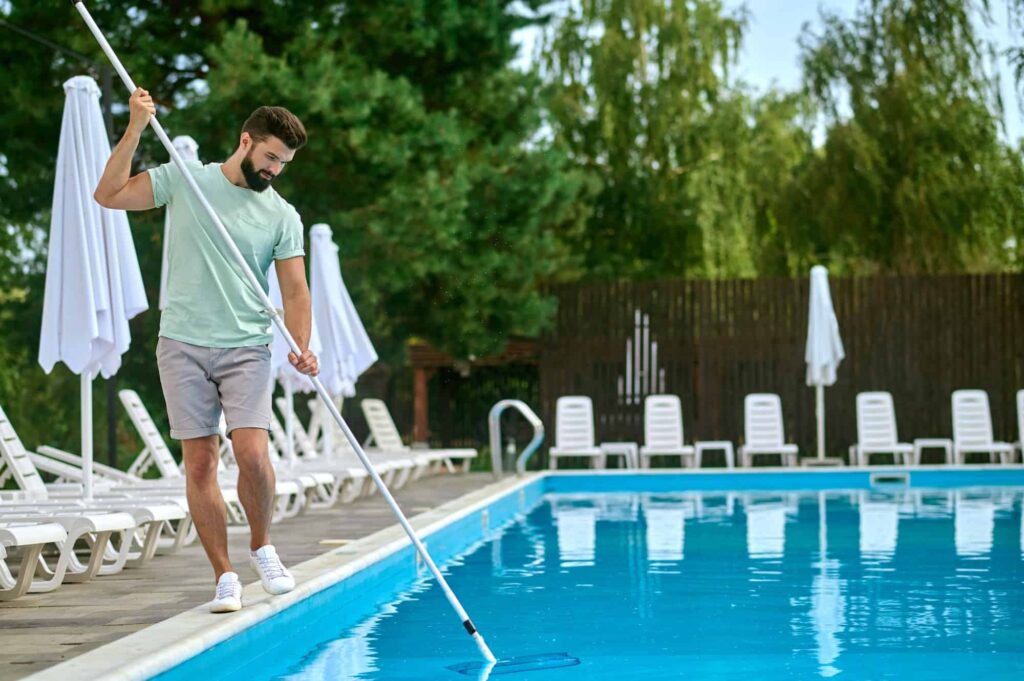
Weekly Pool Service
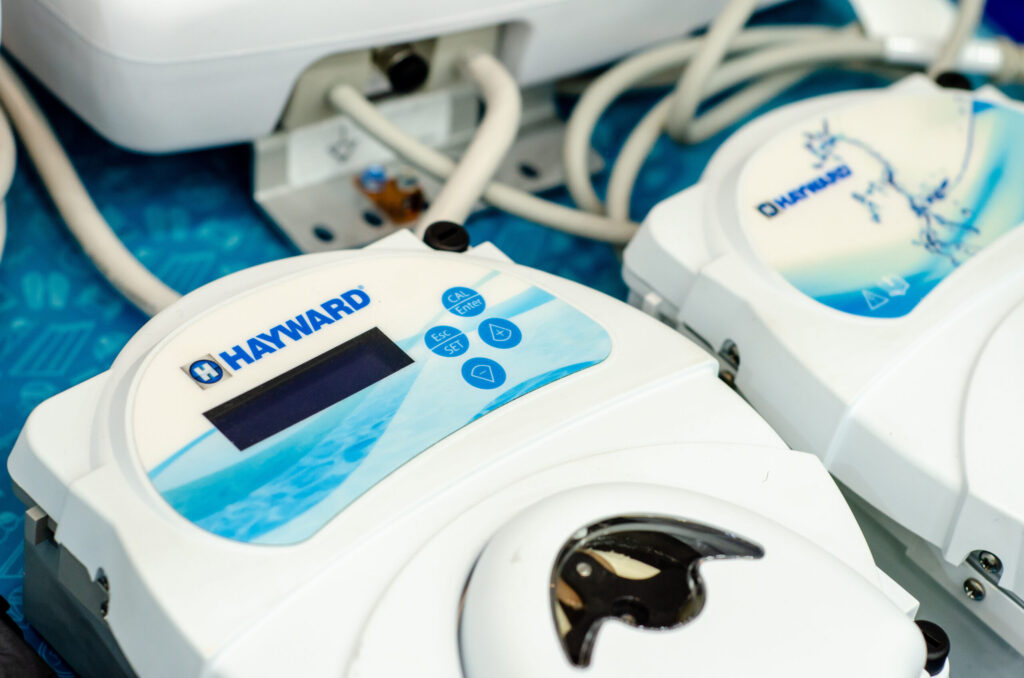
Equipment Installation
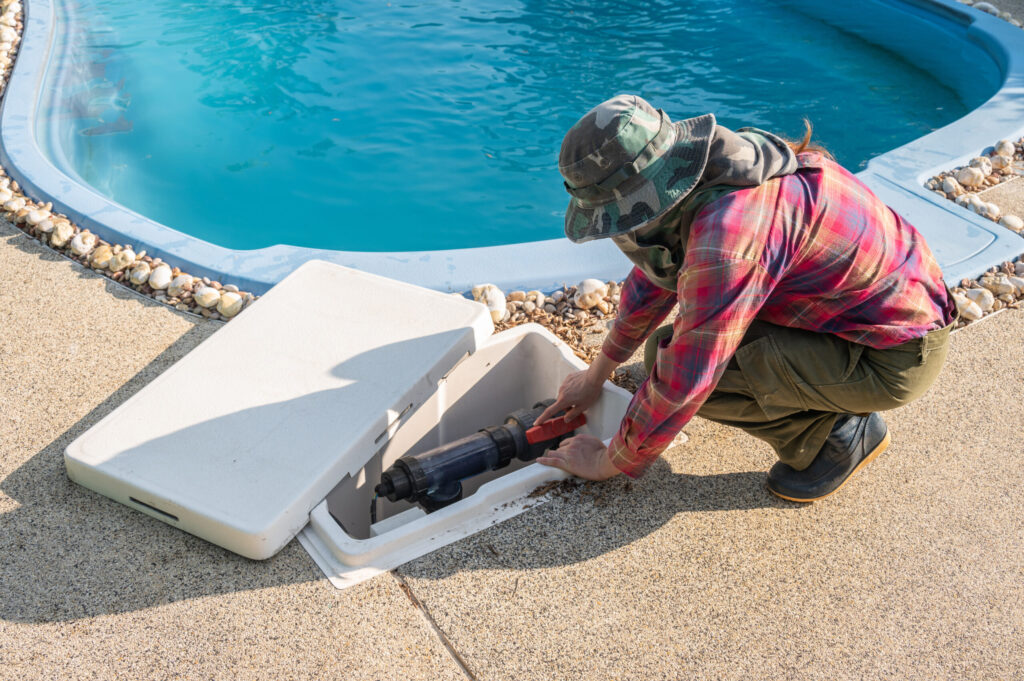
Equipment Repairs
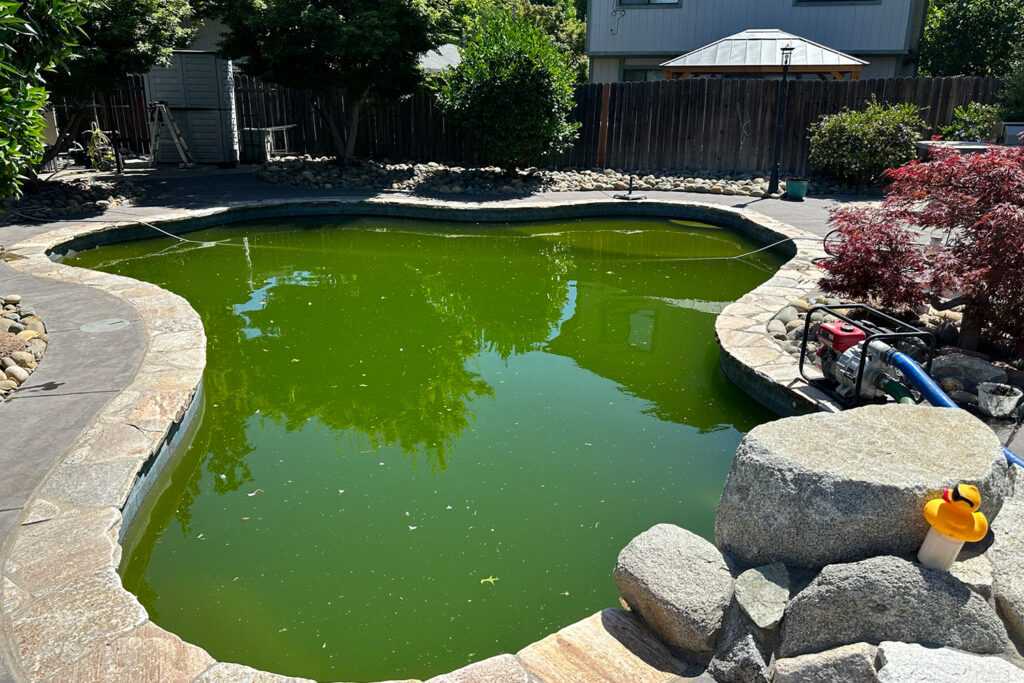
Green 2 Clean
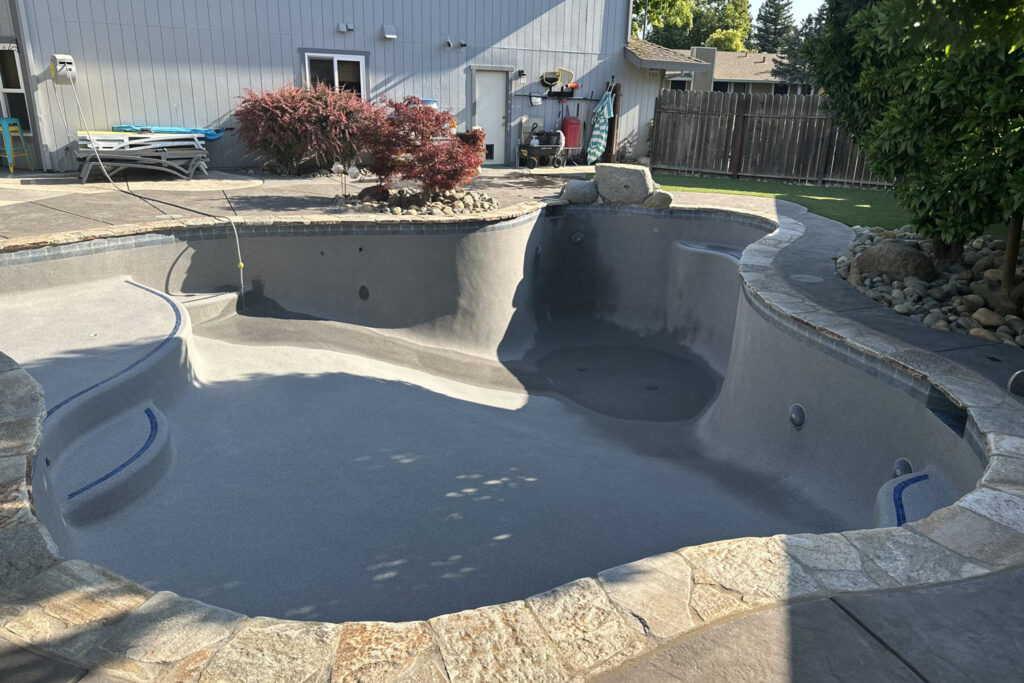
Pool Drain & Clean Up
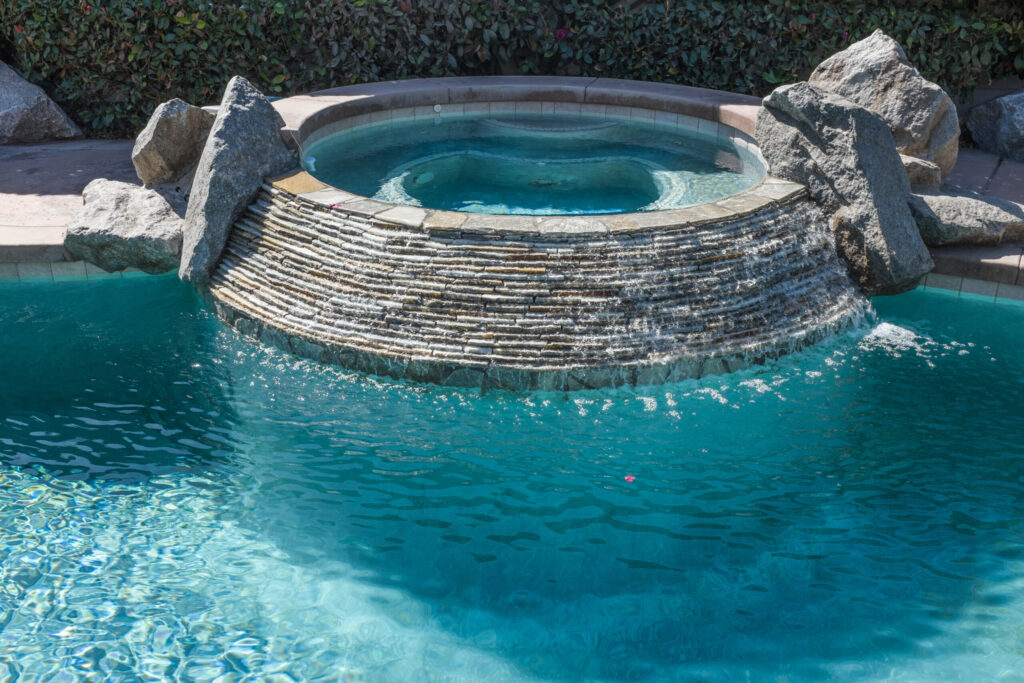
Spa Cleaning Service
We keep improving our pool service and maintenance. So Dublin families get cleaner water, straight answers, and a technician who actually knows their pool.
Our Commitment to Dublin Customers
Wrigley’s Pool Co is a leading choice for pool service, repairs and maintenance across Dublin and the Tri-Valley.
Customer Satisfaction
Licensed, Insured & Bonded
Locally Owned & Operated

We Are Experts With:




Pool Service in Dublin, CA
A pool in Dublin earns its keep. By July the Tri-Valley sits in the high nineties and the kids are out of school. That backyard becomes the best room in the house.
However, Dublin conditions work against a pool harder than most people expect. The difference between a pool you enjoy and a pool you fight with usually comes down to one thing. Is someone competent looking at it every week?
We are Wrigley’s Pool Co, and we service pools across Dublin and the wider Tri-Valley. Our crews have spent enough time on equipment pads from Positano to Schaefer Ranch to know what fails here. They also know what stains here, and what you are dealing with when the filter pressure will not come down.
This page covers Dublin specifically. Not generic pool advice.
What Makes Dublin Pools Different
Your Water Hardness Changes From Year to Year
Most towns have a steady water supply. Dublin does not.
Dublin San Ramon Services District delivers a variable blend of surface water and groundwater. The district says so openly. Ninety percent of samples land between 115 and 324 mg/L. That works out to roughly 7 to 19 grains per gallon.
Here is why that number matters. A pool wants calcium hardness somewhere around 200 to 400 ppm. Push past 500 and you have to hold total alkalinity and pH unusually low just to stop scale forming. Get near 1,000 and balancing the water becomes near enough impossible.
Now convert Dublin’s tap water. Nineteen grains works out to roughly 325 ppm. So in a hard year, your fill water arrives already sitting near the top of the ideal range. Then summer evaporation concentrates it further. You did not do anything wrong. The water showed up that way.
Here is the part most homeowners have never been told. Hardness rises during drought years. That happens because the Tri-Valley leans harder on local groundwater when surface supplies tighten.
There is a second lever too. Since 2009, Zone 7 Water Agency has run the Mocho Groundwater Demineralization Plant in Pleasanton. It uses reverse osmosis to strip minerals from well water. So it softens what Dublin receives. However, Zone 7 has throttled that plant back in past droughts, because the process loses some water in the making.
As a result, Dublin scale arrives in waves rather than at a steady drip. You can go two seasons with barely a mark. Then a chalky band appears across your tile in a single hot, dry year. Homeowners usually blame the pool guy. Usually it is the water supply shifting underneath everyone.
Dublin Has Actual Rules About Draining Your Pool
This one catches people out. It also separates Dublin from many surrounding towns.
Pool, spa and fountain water must never go into the gutter or storm drain here. Dublin storm drains run straight to local creeks and San Francisco Bay with no treatment. So whatever sits in your pool ends up in the Bay.
DSRSD does allow discharge to the sanitary sewer through your nearest cleanout. But real conditions apply under District Code section 5.20:
- pH at the point of entry must sit above 6.0 and below 11.0
- No sand and no diatomaceous earth from filter backwashing
- Water temperature under 150°F at discharge
- No opening sewer manholes without authorization. Use the cleanout instead
- Water must be free of copper-based algaecides
- No chemicals added within several days of discharge, except to adjust pH
In addition, DSRSD asks you to call before refilling. Otherwise a sudden spike in usage gets flagged as a leak on your property.
So if a pool company has ever drained your Dublin pool down the gutter, that was not just untidy. It broke the rules. We work to these requirements on every drain-down, acid wash and filter service.
Copper Algaecide Is Effectively Off the Table
This follows straight from the discharge rules. Therefore it changes how algae gets treated in Dublin.
Plenty of cheap supermarket algaecides use copper. They work well too, especially on black algae, which is stubborn stuff. But copper ions stain, and the color depends on your chemistry. High pH tends to leave black or pale blue marks. Copper bonding with carbonate gives you blue-green plaster. Add high cyanuric acid and you can end up with purple. Blond hair picks up a green tint at high copper levels.
On top of that, copper creates a disposal problem here, because copper-laden water should not enter the sewer. So DSRSD advises chlorine for algae control instead, or an algaecide without copper.
So when we clear a green pool in Dublin, the treatment leans on chlorine chemistry, circulation and filtration. We do not reach for a copper product that causes you a headache later.
A Whole Generation of Dublin Equipment Is Failing at Once
Drive through Dublin Ranch, Positano, Jordan Ranch, Wallis Ranch or Silvera Ranch. Most of those homes went up from the early 2000s onward, during Dublin’s expansion east of Tassajara Road.
Pool equipment has a working life. Pumps, heaters and control boards from that build wave have now passed fifteen years. Because they went in together, they fail together. We will take three calls in a week from one neighborhood with the same symptom.
Dublin also has plenty of newer, smarter pools. Salt chlorinators, variable-speed pumps, app-controlled automation. Those need a technician who knows the systems. Someone who only knows a chlorine puck and a skimmer sock will struggle. We handle both ends of that.
The Altamont Wind Corridor Fills Your Filter
Dublin sits where I-580 meets I-680. Wind funnels through from the Altamont, so afternoon gusts are a fact of life. They carry grit.
Homes on the east and hillside side catch the worst of it. That includes Schaefer Ranch, Wallis Ranch and the open ground near Camp Parks. You will see a fine film on the surface within a day of a clean. Meanwhile, properties backing onto open space near Tassajara Creek and the Iron Horse Regional Trail pick up heavy pollen each spring.
All of that lands in your filter. Consequently, Dublin filters clog faster than filters in sheltered towns. A clogged filter then raises pressure, drops circulation, and quietly overworks a pump already running hot.
The Problems We Get Called For in Dublin
1. The Chalky White Line Across Your Tile
What you see: a rough whitish band at the waterline. It will not brush off.
Why Dublin gets it: hard fill water at the top of that 7 to 19 grain range. Fast summer evaporation then concentrates minerals right at the surface line.
Tile is only where you notice it first, though. Once calcium runs high, the same problem shows up as rough plaster underfoot, cloudy water that will not clear, filters clogging early, and scale building inside the heater. Circulation drops off as that happens. Some swimmers get itchy eyes and skin too.
The fix: pool tile cleaning using bead blasting. It lifts calcium off tile and stone without draining your pool and without damaging the finish. Scrubbing harder will not work, because calcium is a mineral deposit. It needs breaking off, not wiping away.
2. Your Salt Cell Died Years Early
What you see: constant low-salt warnings. A cell needing cleaning every few weeks. Or a chlorinator that quit long before its rated life.
Why Dublin gets it: hard water plates calcium onto the cell’s internal surfaces. So in a hard year, a Dublin cell crusts up in a fraction of the expected time.
The fix: salt system service and installation. We also set a cleaning schedule built for local water rather than the generic one in the manual.
3. Filter Pressure Up, Circulation Down
What you see: the gauge creeping up. Weak returns. Water that will not clear however much chlorine goes in.
Why Dublin gets it: wind-borne dust and spring pollen load filters faster than a standard interval allows for.
There is a simple number worth knowing here. Write down your filter pressure the day after it has been properly cleaned. That reading is your baseline. Once the gauge sits about 8 to 10 psi above it, the filter needs attention. Cartridge systems work to roughly the same rule. Waiting longer does not save money, because a starved pump works harder and debris can get driven straight through a cartridge element.
The fix: pool filter cleaning as a proper teardown, not a hose-off. Then filter repair when grids, valves or tanks fail. Where the media itself is spent, we handle filter installation or a sand change. Remember that spent DE and sand cannot go to the sewer here. So we take it with us.
4. The Pool Went Green Over a Warm Weekend
What you see: clear on Friday, green by Monday. Usually in spring, when Dublin swings from cool to hot in days.
Why Dublin gets it: rapid temperature jumps, while chlorine burns off fast under Tri-Valley sun.
The fix: green to clean recovery. It is chlorine-driven and copper-free, and it aims for swimmable water in days rather than weeks. No full drain needed.
5. The Pump That Quit in the Hottest Week
What you see: screeching or humming. A pump that will not prime. Or one tripping the breaker on a 100-degree afternoon.
Why Dublin gets it: that 2000s equipment cohort, running at full load through a Tri-Valley July.
The fix: pool pump repair where the unit is worth saving. Otherwise pump installation, since a variable-speed upgrade pays for itself in power savings. Related failures land on heater repair and heater installation.
6. Water Level Dropping and Nobody Knows Why
What you see: constant topping up. No way to tell evaporation from a real leak.
Why Dublin gets it: summer evaporation here easily hides a small leak. Meanwhile DSRSD monitors unusual usage, so a real leak surfaces as a billing shock.
The fix: pool leak detection using pressure testing. We find the actual source instead of guessing and digging.
7. Stained Plaster After the Algae Cleared
What you see: the green has gone. But the surface is left mottled, grey or shadowed.
Why Dublin gets it: algae roots into plaster. In addition, copper products used previously leave staining of their own. Those show up black, pale blue, blue-green or even purple, depending on your pH and cyanuric acid at the time.
The fix: acid and chlorine wash, with the drain-down handled to DSRSD requirements. Buying or selling in Dublin? A pool inspection shows what you are inheriting before you commit.
Every Pool Service We Offer in Dublin
Cleaning & Maintenance
Repairs
Installations & Upgrades
Specialist Work
Dublin Neighborhoods We Service
We run routes across the whole city. That includes Dublin Ranch, Positano, Jordan Ranch, Wallis Ranch and Silvera Ranch. It also covers Schaefer Ranch, Emerald Vista, Tassajara Hills, West Dublin near the BART station, and the older streets around downtown and Dublin Boulevard.
So if you live near Emerald Glen Park and The Wave, over by Fallon Sports Park, along the Iron Horse Regional Trail, or up in the hillside developments toward the San Ramon line, you are on our map.
The Pool Types We See Most in Dublin
Dublin’s housing stock shapes its pools. Homes east of Tassajara Road went up during the 2000s boom. So those backyards tend to hold gunite pools with attached spas. Many arrived with single-speed pumps, though most have since been swapped for variable-speed units under California efficiency rules.
Newer builds in Jordan Ranch and Wallis Ranch lean modern. Salt chlorination, LED lighting, app-controlled automation, and pebble finishes rather than plain plaster. Those systems are excellent when maintained. However, they get expensive when neglected.
Older west Dublin homes near downtown tell a different story. Smaller plaster pools, simpler equipment, and often original plumbing. They are straightforward to service. But scale shows more obviously on aged plaster, so tile work matters more.
Hillside properties near Schaefer Ranch bring their own quirks. Longer equipment runs, heavier wind exposure, and often a spa spillover that needs separate attention.
Our pool service in Dublin covers all of them. So whichever category your pool falls into, we build the approach around your equipment rather than a template.
A Year of Pool Care in Dublin
Spring, March to May
Spring is when Dublin pools get into trouble. The valley warms quickly, so water temperature climbs while chlorine demand jumps. Meanwhile pollen blows in off the open ground near Tassajara Creek. That combination feeds algae.
Therefore spring is the season for a proper startup. We test and rebalance, shock the water, tear down and clean the filter, then check every piece of equipment before the heat arrives. Also worth doing now: re-test your fill water, because the season’s blend has just changed.
Summer, June to September
This is peak load. Afternoons regularly pass 95 degrees, and heat waves push beyond 105. Chlorine burns off fast under that sun. Evaporation runs hard too, so you top up often while minerals concentrate.
Equipment feels it. Pumps and heaters run at full tilt for weeks. That is exactly why July and August generate our heaviest repair volume in Dublin. So weekly pool service matters most now. Skipping a week in August usually costs more than it saves.
Fall, October to November
The swim season winds down, but the work does not. Leaves drop, wind picks up, and baskets fill faster.
However, this is the best window for bigger jobs. Tile cleaning, acid washes, equipment replacement and sand changes all go smoother when nobody is waiting to swim.
Winter, December to February
Dublin winters stay mild, so pools rarely freeze. Yet algae still grows during warm spells. A neglected pool in January becomes a green pool in March.
So keep circulation running and chemistry balanced. Winter is also when we handle automation upgrades and heater installations, ahead of the spring rush.
What a Weekly Pool Service Visit Looks Like
Homeowners often ask what our pool service in Dublin actually does while they are at work. Here is the honest answer.
Our technician tests the water first. That means pH, chlorine, alkalinity and calcium hardness. Hardness matters more here than in softer-water towns. Then chemicals go in based on those readings, not on a fixed recipe.
Next comes the physical work. We skim the surface, brush the walls, steps and tile line, then vacuum when the pool needs it. Baskets get emptied too. That includes skimmer baskets, the pump basket, and the sweeper bag or leaf canister.
After that, the technician walks the equipment pad. Filter pressure gets checked against its clean baseline. Pump, heater and any automation get a look. Small things like worn o-rings get handled before they turn into leaks.
Finally, we note anything needing attention and tell you. No surprises, and no work done without your say-so.
Most visits run between thirty and forty-five minutes. Bigger pools and heavier debris loads take longer. Either way, you get the same technician each week, so nobody has to relearn your equipment.
Questions to Ask Before You Hire a Pool Company in Dublin
Not every pool service in Dublin works the same way. So before you sign anything, ask these six questions.
Are chemicals included, or billed separately? This is where surprise costs hide. Chemical use climbs through summer, and a separate chemical line can double a quiet-looking monthly rate.
Who actually shows up each week? Some companies rotate technicians constantly. As a result, nobody learns your pool and small changes get missed.
What do you do with spent filter media? In Dublin the answer matters. DE and sand cannot enter the sewer, so a company that shrugs at this question is telling you something.
How do you handle a drain-down? Ask specifically about the sewer cleanout and the pH requirement. If they mention the gutter, keep looking.
Are you licensed, insured and bonded? Ask to see it. Pool work involves electricity, chemicals and pressurized equipment.
What happens when something breaks? Find out whether repairs happen in-house or get subcontracted. Then ask how quickly they respond in July, when everyone needs help at once.
Three Things We Have Learned About Dublin Pools
Re-test your fill water every spring
In most towns you set a calcium hardness target once and leave it. Not here. Because Zone 7 blends its supply differently each year, the water from your hose in April may differ completely from last April.
So test the fill water itself at the start of each season, especially after a dry winter. If it comes back near 325 ppm, you are starting the year close to the ceiling and evaporation will push you over it. That tells you a scale year is coming before any scale appears.
One more thing on this. When you do rebalance, work in order. Total alkalinity first, then pH, then calcium hardness. Chase them out of sequence and you will spend the afternoon undoing your own corrections.
A “dead” salt cell in April is usually just cold
Every spring we get called out to replace salt cells that turn out to be fine. Salt chlorinators under-report salt levels in cold water. They also under-produce chlorine.
So before you spend several hundred dollars on a replacement, check the water temperature. Let it warm up, then judge the cell.
Not all green water is algae, and shocking the wrong kind makes it worse
This one saves people real money. Cloudy, murky green water is almost always algae, so shock and brushing will clear it.
But translucent green water is different. If you can still see the bottom clearly and the tint looks almost like coloring in clean water, that is usually dissolved copper rather than algae. Shocking that pool is the worst thing you can do. Heavy oxidizer drives the copper out of solution and onto your plaster as a stain. Raising alkalinity does much the same thing.
So look at clarity before you reach for the shock. If the water is clear but tinted, call someone before you treat it. A sequestering agent is the right tool, not a bucket of chlorine.
The bucket test settles the leak argument for free
Put a bucket of pool water on the top step. Mark the level inside the bucket and outside on the pool wall. Then leave the pump running as normal for 24 hours and compare.
If the pool dropped further than the bucket, you have a leak rather than evaporation. Get pressure testing done before your water bill tells you the same thing more expensively.
Why Dublin Homeowners Choose Our Pool Service
We are licensed, insured and bonded. We have cared for pools in this region for over fifteen years. Our Google rating sits at 4.9 stars across 58 reviews. What customers mention most is not equipment, though. It is that we turn up.
Chemicals are included in weekly service. Not billed separately, and not a surprise line in August when consumption climbs.
We follow DSRSD discharge rules on every drain-down, acid wash and filter service. That protects you, and it keeps Dublin’s creeks and the Bay out of it.
We service old and new equipment. Hayward, Jandy, Pentair and Zodiac. Everything from a twenty-year-old single-speed pump to an app-controlled automation panel.
You get the same technician. Not a rotating cast relearning your pool every visit.
Ready to book pool service in Dublin, CA? Call (925) 320-6188 or request a free quote.
- Dublin
- Dublin Ranch
- Positano
- Jordan Ranch
- Wallis Ranch
- Silvera Ranch
- Schaefer Ranch
- Emerald Vista
- Tassajara Hills
- West Dublin
- Pleasanton
- San Ramon
- Livermore
Still Have Questions? We’re Here to Help! Contact Us
Find Answers to Your Dublin Pool Questions
Why is there white buildup on my Dublin pool tile?
That is calcium scale from hard water. DSRSD water blends surface water and groundwater, and 90% of samples fall between roughly 7 and 19 grains per gallon. At the top of that range your fill water is already near 325 ppm, which sits close to the ceiling a pool wants. Evaporation at the waterline then concentrates it further, so deposits form exactly where you can see them. Bead blasting removes the buildup without draining your pool.
Does Dublin water hardness change during the year?
Yes, and it surprises most people. Because DSRSD blends surface water and groundwater, hardness shifts year to year and by location. During droughts the Tri-Valley relies more on groundwater, which is harder. Zone 7’s Mocho Demineralization Plant in Pleasanton softens part of the supply, but Zone 7 has reduced that process during past droughts.
Why does my salt cell keep scaling up in Dublin?
Hard water. Calcium plates onto the cell’s internal surfaces, so the harder your fill water is that season, the faster it happens. Cells in hard-water areas need cleaning more often than the manual suggests. In addition, running a pool at high calcium hardness shortens cell life considerably.
How do I stop scale coming back after tile cleaning?
You manage it rather than eliminate it. Aim to keep calcium hardness roughly between 200 and 400 ppm. Above 500 you have to hold pH and alkalinity unusually low just to stop scale forming again. Also judge the water by its saturation index rather than any single reading, since temperature and alkalinity both feed into it. Then re-test your fill water each spring, because Dublin’s supply changes.
Can I drain my pool into the street in Dublin?
No. Pool, spa and fountain water must never enter a gutter or storm drain in Dublin, because storm drains flow untreated into local creeks and San Francisco Bay. However, DSRSD does allow discharge to the sanitary sewer through your nearest cleanout, provided the water meets District Code section 5.20 requirements. That includes a pH above 6.0 and below 11.0.
Should I tell DSRSD before refilling my pool?
Yes. DSRSD asks customers to call customer service before filling or refilling. Otherwise the district may mistake the sudden increase in usage for a leak on your property.
Can I backwash my DE or sand filter into the sewer cleanout?
No. DSRSD rules prohibit sand, diatomaceous earth and other solid substances from entering the sanitary sewer. So spent filter media must be captured and disposed of properly, which we handle as part of a filter service.
Can I use copper algaecide in my Dublin pool?
Best avoided. DSRSD requires water discharged to the sewer to be free of copper-based algaecides, because copper is acutely toxic to plankton in the Bay. The district advises chlorine for algae control instead. Copper also stains plaster, showing up black, pale blue, blue-green or purple depending on your chemistry.
How often should a Dublin pool be serviced?
Weekly through the swim season suits most Dublin pools. Tri-Valley heat breaks chlorine down quickly, while afternoon wind loads the filter with dust and pollen. Fast evaporation also concentrates minerals. So every-other-week service tends to leave you correcting problems rather than preventing them.
Are chemicals included in weekly pool service?
Yes. Premium chemicals are included, with no separate chemical billing and no surprise fees. Startup costs may apply, and pricing varies with pool size and condition.
What does pool service cost in Dublin?
It depends on pool size, current condition, and whether the equipment is properly sized and working. Rather than quote a number that turns out wrong for your pool, we look at it first and give you a written price. Quotes are free.
Which Dublin neighborhoods do you serve?
All of them. That includes Dublin Ranch, Positano, Jordan Ranch, Wallis Ranch, Silvera Ranch, Schaefer Ranch, Emerald Vista, Tassajara Hills, West Dublin and downtown. We also cover nearby Pleasanton, Livermore, San Ramon and Danville.
Is my pool losing water from a leak or evaporation?
In a Dublin summer, evaporation alone can hide a small leak. So run a bucket test. Place a bucket of pool water on the top step, mark the level inside and outside, then compare after 24 hours with the pump running normally. If the pool dropped further than the bucket, you have a leak. Our leak detection then uses pressure testing to locate it.
Do you service saltwater pools and automation systems in Dublin?
Yes. We service salt chlorinators, variable-speed pumps and automation from Hayward, Jandy, Pentair and Zodiac. Between them, those brands cover most equipment in Dublin’s newer neighborhoods.
Why do so many Dublin pool pumps fail in summer?
Two factors stack up. First, much of Dublin’s housing went in during the 2000s, so a large cohort of pumps and heaters is now past fifteen years old. Second, Tri-Valley heat means equipment runs at full load for weeks. As a result, July and August produce more equipment calls than any other period.
Can you inspect a pool before I buy a Dublin home?
Yes. A pre-purchase inspection covers equipment condition, plumbing, surfaces and safety features. So you know what you are taking on before closing, rather than discovering it in your first summer.